March 11, 2025
New York Times calls ‘The Human Scale’ a “gripping…complex, deeply felt work.”

A review in The New York Times by Elliot Ackerman gives the new book high marks.
Wright’s visceral depiction of the Oct. 7 attacks at the novel’s climax forces us to weigh the value of a single life against another, to engage in this conflict that has turned into a human scale. Given the passions raging around the current war in Gaza, Wright’s book is a gutsy one to write. To fail as a novelist and become a partisan of one side would read as a betrayal not only of the opposing side, but also of what the best literature does: It both asserts and reconciles our humanity through perspectives that may be far from our own. Wright succeeds in this complex, deeply felt work. He shows that if it is possible to save mankind one life at a time, as the Talmud and Quran affirm, then maybe it is also possible to save our humanity, one story at a time.
July 13, 2024
Looming Tower in the NYT’s 100 best books of 21st century.
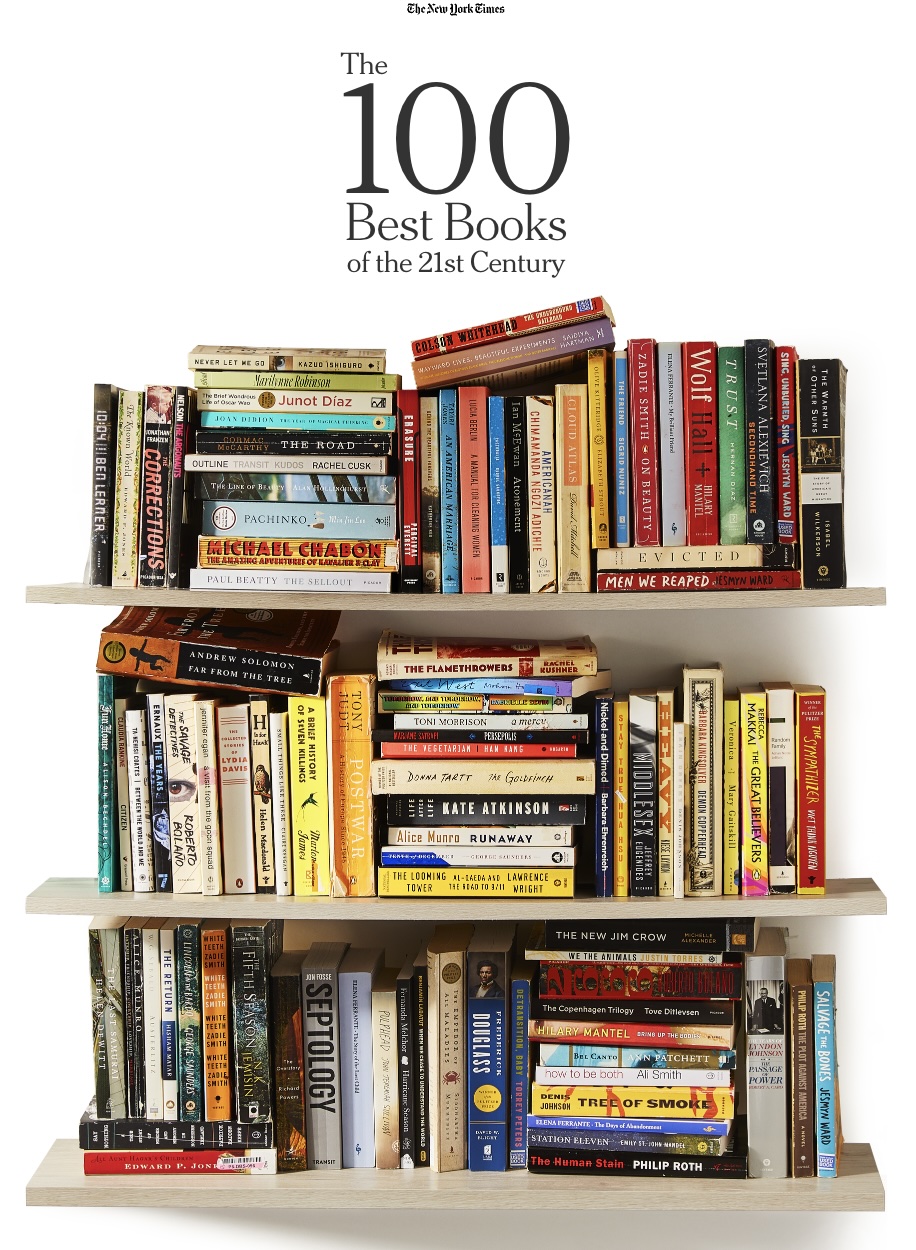
The New York Times held a vote amongst more than 500 accomplished writers to determine the 100 best books in this century. Looming Tower came in at #55.
What happened in New York City one incongruously sunny morning in September was never, of course, the product of some spontaneous plan. Wright’s meticulous history operates as a sort of panopticon on the events leading up to that fateful day, spanning more than five decades and a geopolitical guest list that includes everyone from the counterterrorism chief of the F.B.I. to the anonymous foot soldiers of Al Qaeda.
August 21, 2022
“Looming Tower” makes Hugh Hewitt’s summer reading list.
According to Hewitt, “The one book everyone ought to read who has lived the past quarter century: Lawrence Wright’s ‘The Looming Tower.’”
What a reading list! And such an honor to be on it. https://t.co/ZkuAgJNV4M
— Lawrence Wright (@lawrence_wright) August 20, 2022
August 03, 2022
NYTimes included Wright twice in its top 10 books of the year.
For the past 17 years, the New York Times has released its top 10 books of the year. Lawrence Wright has made it on the list twice in that time, once for Looming Tower and once for Thirteen Days.
So many great books passed me by, and many of my favorite authors are represented here. Honored to be among them. https://t.co/h273qaWqt3
— Lawrence Wright (@lawrence_wright) August 3, 2022
March 12, 2014
National Book Critics Circle Praises ‘Going Clear’
In the weeks leading up to the March 13 announcement of the 2013 NBCC award winners, the National Book Critics Circle’s blog is highlighting the thirty finalists. NBCC board member Alex Abramovich offered an appreciation of Lawrence Wright's nonfiction finalist, Going Clear.
December 05, 2013
TIME’s Top 10 Includes “Going Clear”
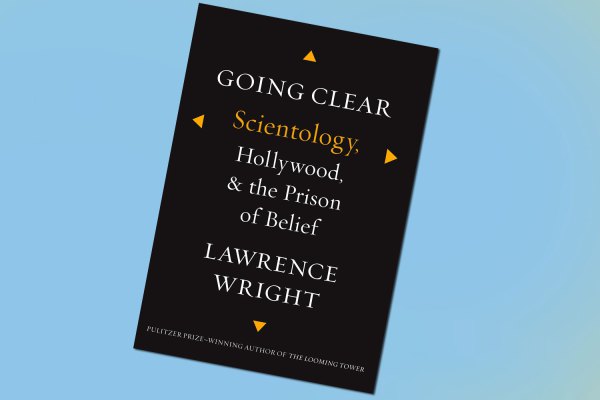
TIME magazine ranks Going Clear at number 7 on its list of the top ten nonfiction books of 2013. Reviewer Lev Grossman calls the book a “relentlessly researched, skillfully presented work.”
April 13, 2013
Slate’s Book Club on “Going Clear”
Dan Kois, Hanna Rosin, and Meghan O’Rourke all read Going Clear for this installment of Slate’s Audio Book Club.
April 06, 2013
“Chilling,” Says NY Review of Books about “Going Clear”
In the April 2013 edition of The New York Review of Books, Diane Johnson calls Going Clear an “evenhanded, chilling … investigation” of the Church of Scientology.
Wright … seems to have a particular ability to understand and explain issues related to religion, recovered memory, fanaticism, and deviance—and the nerve to withstand objections and threats.
March 20, 2013
Bay Area Press Praises “Fallaci”
The San Francisco Examiner says Fallaci’s “personality and wit are pure theatrical gold.” Berkeleyside calls the play “distinctive and thought provoking,” agreeing that “Oriana Fallaci’s brilliant personality is fascinatingly presented.”
February 19, 2013
AP Calls Going Clear “a Powerful Piece of Reportage”
Associated Press’s Nahal Toosi raves about Going Clear, going on to say the book “is a carefully written account, detached and with little sense of outrage apparent from the author's point of view... But that step-by-step, cautious approach adds to the book's value. Wright obviously understands that letting his findings speak for themselves is enough.”
Page 1 of 2
Next Page →